In rural Ontario, internet problems usually show up at the worst times, right when you need your connection the most. A video call freezes, streaming starts buffering, or speeds suddenly drop in the evening.
It’s easy to assume your plan is the problem. In many cases, it’s actually the type of connection coming into your home.
Cable and fiber can both advertise high speeds. The real difference lies in how they perform in everyday use, and that’s where the gap becomes clear.
Table of Contents
How Cable and Fiber Deliver Internet
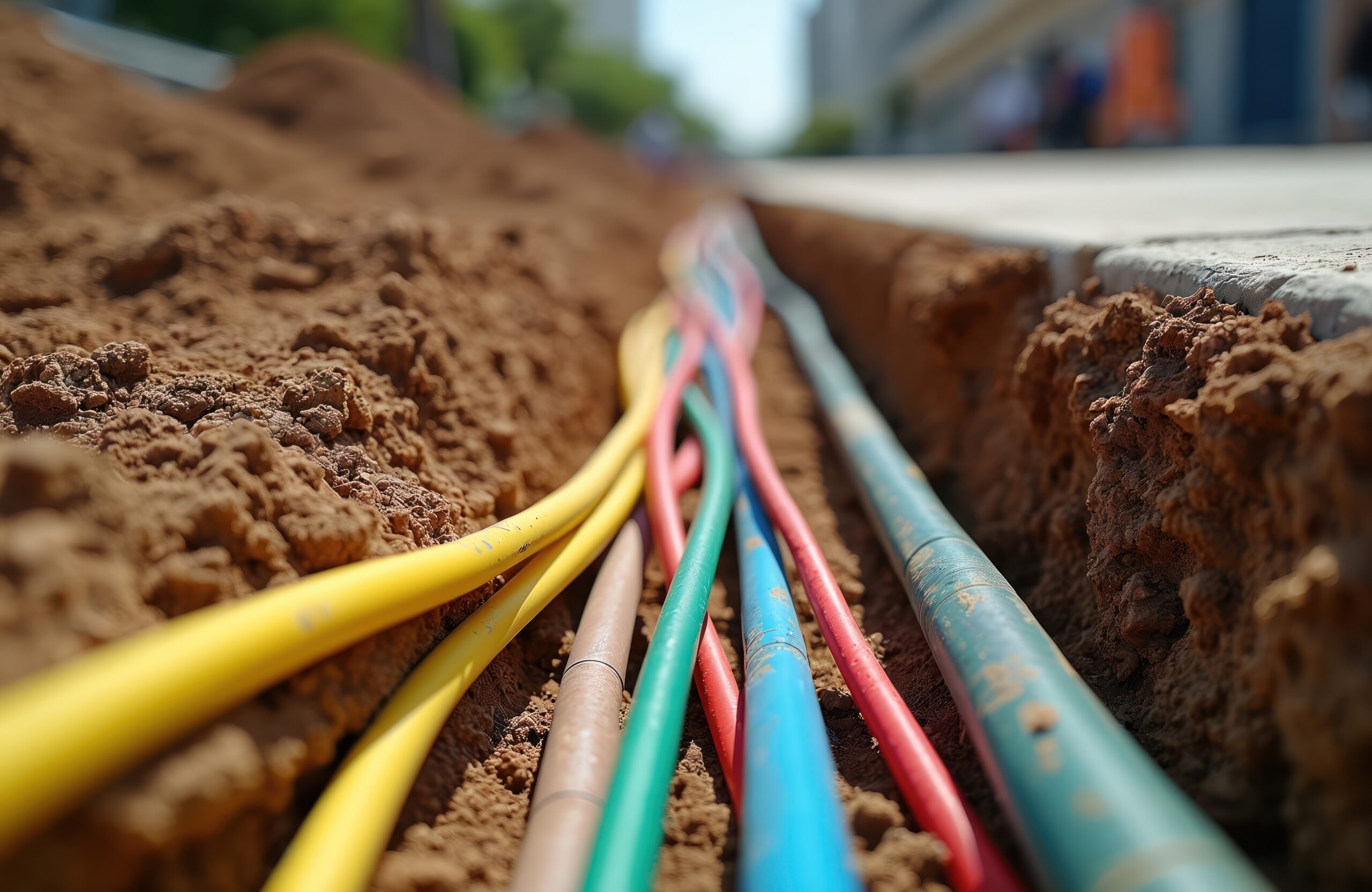
Cable internet uses coaxial cables, the same infrastructure used for television. These lines carry electrical signals and are shared across multiple homes in a neighbourhood.
Fiber uses passive optical networks (PON), where capacity is shared at the splitter level, but with significantly higher bandwidth and efficiency than cable networks.
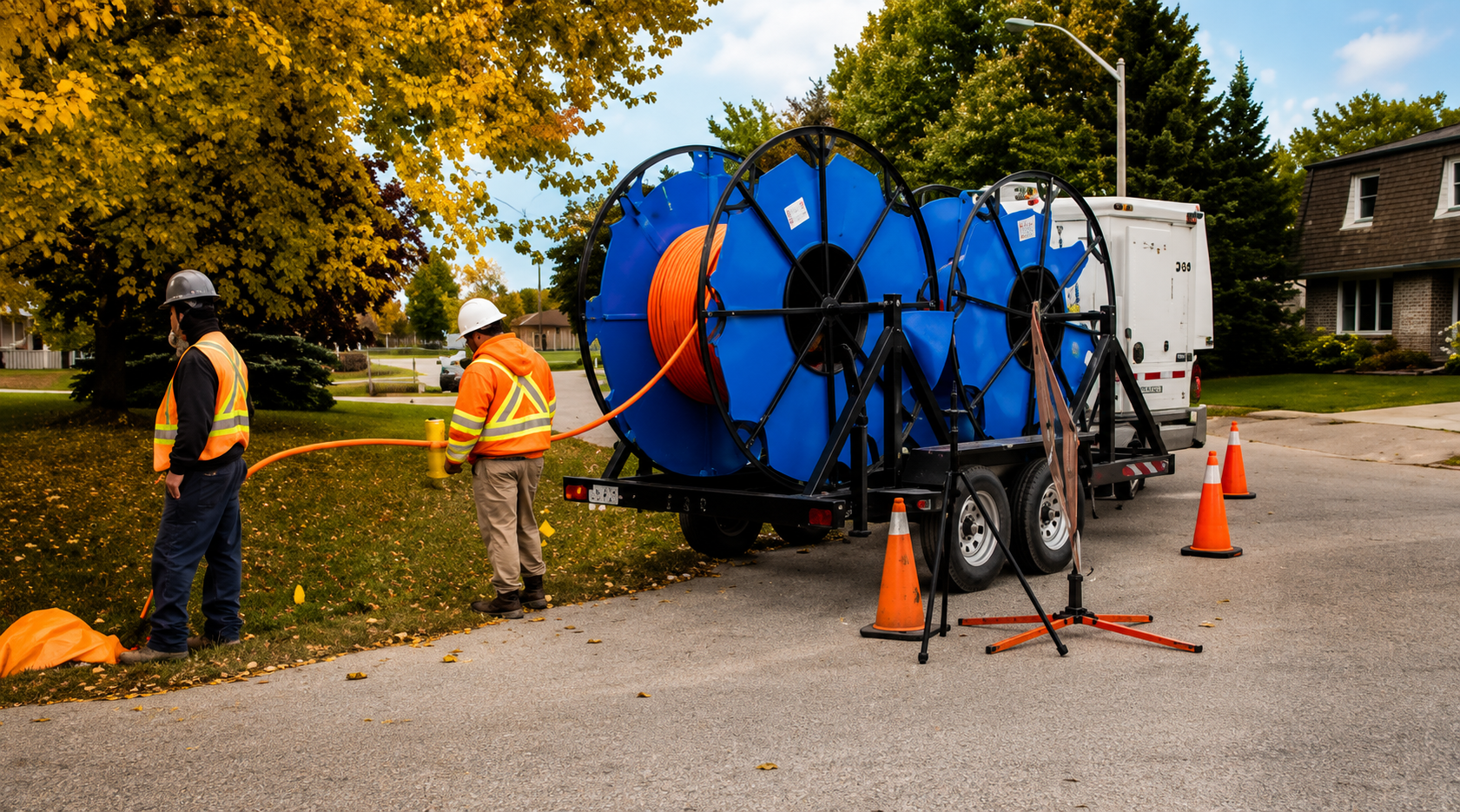
Because fiber transmits data using light, it can handle significantly more bandwidth with less signal loss.
As a result, it delivers faster and more stable connections overall. According to SwoopFiber’s own comparison of connection types, fiber is currently the fastest and most reliable internet option available.
However, speed alone is not the full story.
Consistency, reliability, and stability are where the real gaps show.
Why Your Internet Slows Down at Night
If your internet feels fine during the day but slows down in the evening, you are not imagining it.
Cable internet is shared across multiple homes. When more people in your area are online at the same time, streaming, working, or gaming, the network becomes congested.
That is when you start to notice buffering, lag, or dropped video calls.
Fiber works differently. It is built to handle higher demand more efficiently, so your connection stays consistent even during peak hours.
Real-World Example: Rural Ontario Usage
Let’s compare what actually happens in a typical rural household:
| Comparison Points | Fiber Internet | Cable Internet |
|---|---|---|
| Signal | Light | Electrical |
| Speed | Up to 10+ Gbps | Up to 2 Gbps |
| Upload Speeds | Equal to download | Slower |
| Peak Hours | Consistent | Can slow down |
| Reliability | High | Moderate |
| Availability | Expanding | Widely available |
Fiber Availability is Changing in 2026
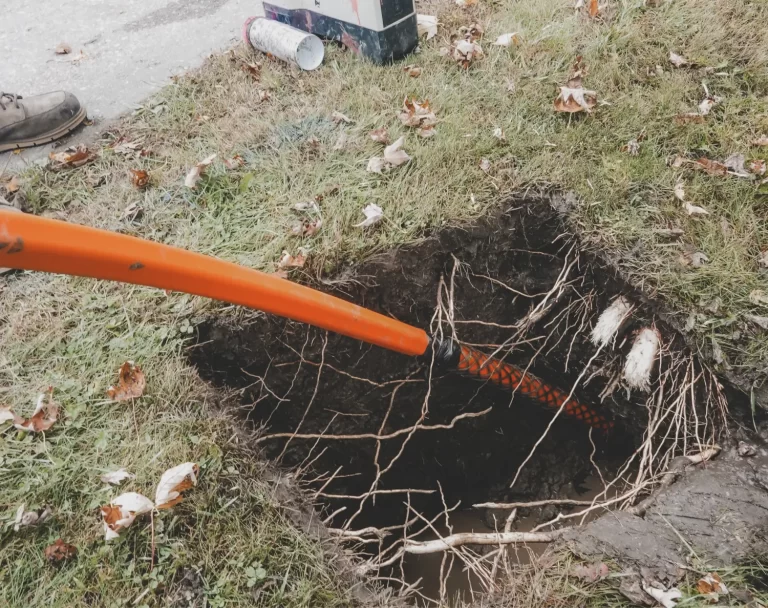
Historically, cable dominated rural internet simply because it was already in place. However, that’s changing.
Federal and provincial investment alongside private providers are accelerating fiber builds across underserved areas. The Government of Canada’s Universal Broadband Fund, for example, is actively supporting rural connectivity expansion.
At the same time, providers focused on rural infrastructure are prioritizing fiber deployments where legacy networks fall short.
Check if You’re Eligible
Fiber vs Cable: Which Should You Choose?
If fiber is available, the choice is usually straightforward.
Cable can still support basic usage. However, its performance depends heavily on network conditions and infrastructure quality.
Fiber, on the other hand, delivers consistent performance regardless of time of day or network demand. In other words, it performs the way people expect modern internet to perform.
Switching to SwoopFiber is Simple
We get it, switching providers can be a headache. That’s why we make it as easy as possible:
- 30 day risk free trial — Try us with zero commitment.
- SwoopIT Concierge — Personalized in-home support.
- In-store service — Visit our team at 18 William Street, Elmvale for help in person.
If you are comparing options, reviewing available plans can help you understand what speeds are realistically achievable: View SwoopFiber Internet Plans
Sign up to our SwoopIT Newsletter