Smart homes are more intelligent, automated, and connected than ever before. From AI-powered assistants and smart security systems to thermostats, lighting, and entertainment, today’s homes rely on dozens of connected devices working together in real time.
But here’s the reality many homeowners discover too late:
Smart homes don’t fail because of devices, they fail because of poor internet connectivity.
If you’re building or upgrading a smart home, the most important decision you’ll make isn’t which device to buy, it’s choosing the best internet for your smart home. In this guide, we’ll explore how smart home technology works, how much internet speed a smart home actually needs, and why fiber internet is the gold standard for smart living, especially in rural and underserved areas.
Table of contents

How Smart Homes Work Today
Modern smart homes are powered by constant communication between devices, cloud platforms, and AI-driven systems. Voice assistants respond instantly, security cameras stream live video, thermostats adapt to your habits, and smart appliances update in real time.
All of this depends on one thing: consistent, high-performance internet connectivity.
The average smart home contains 20–30 connected devices, all competing for bandwidth at the same time. Without a reliable connection, homeowners experience delays, dropped connections, buffering, and device failures that undermine the entire smart home experience.
How Much Internet Speed Does a Smart Home Need?
One of the most common questions homeowners ask is how much internet speed a smart home actually needs.
While basic smart devices use minimal bandwidth, the combined demand increases quickly as more devices are added.
A fully connected smart home typically requires:
- At least 100 to 300 Mbps for light to moderate use
- 500 Mbps or more for homes with security cameras, streaming, remote work, and multiple users
Upload speed is just as important as download speed. Smart cameras, video doorbells, and cloud-based automation rely on fast uploads, an area where many traditional internet options fall short.
This is where fiber internet for smart homes makes a measurable difference.
Why Fiber Internet is Better for Smart Homes
Not all internet connections are created equal. Cable and DSL networks were not designed for always-connected homes.
Fiber internet advantages for smart homes include:
- Symmetrical speeds with fast downloads and uploads
- Lower latency that reduces lag and delays
- Greater reliability when many devices are online
- Future-ready capacity as smart homes continue to evolve
Fiber internet delivers data using light instead of electrical signals, allowing it to handle heavy device loads without congestion. This makes fiber the best internet option for smart homes, particularly those using AI-driven automation and security systems.
Popular Smart Home Devices and Their Connectivity Needs
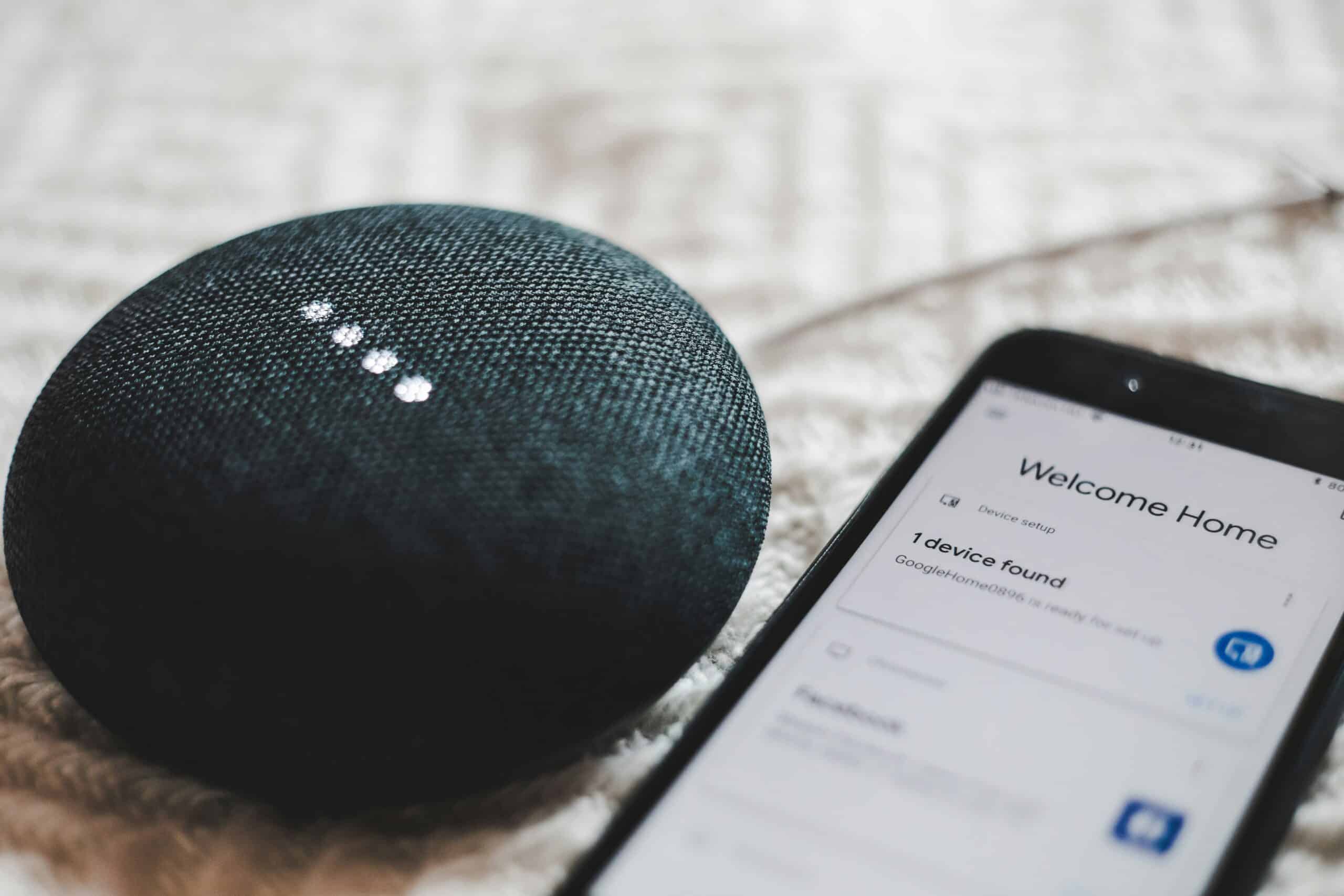
Today’s most popular smart home devices depend on a strong network to function properly.
- Smart security systems require constant uploads for video monitoring
- Smart speakers and assistants rely on low latency for instant responses
- Smart thermostats continuously send and receive data to optimize energy use
- Streaming and entertainment systems need stable speeds for high-definition content
When multiple devices operate at the same time, weaker networks struggle. Fiber-backed connectivity ensures these devices communicate smoothly without interruptions.
Smart Homes in Rural Areas and Why Reliable Internet Matters
Smart home adoption continues to grow in rural communities, but many homeowners still face limited connectivity options. Traditional rural internet often lacks the speed, stability, and upload capacity required for smart home technology.
Fiber internet in rural areas changes that equation.
With fiber, rural homeowners can enjoy:
- Real-time security monitoring
- Reliable remote work and online learning
- Seamless automation and entertainment
- A future-ready smart home experience
Reliable internet is no longer a luxury. It is the backbone of modern living.
Why SwoopFiber is Built for Smart Homes
SwoopFiber delivers fast, reliable fiber internet designed for modern smart homes. Whether you are managing a fully automated household or just getting started with connected devices, SwoopFiber provides the performance needed to keep everything running smoothly.
With fiber-backed connectivity, SwoopFiber minimizes lag, supports multiple devices, and ensures your smart home works the way it was designed to work intelligently, securely, and effortlessly.
Connect with SwoopFiber
Ready to build a smart home on a network you can trust? Sign up today and experience better internet.
1-877-SWOOP-IT | 1-705-806-7976
info@swoopfiber.com
swoopfiber.com
Smart homes deserve smart connectivity. With SwoopFiber, your home is ready for what comes next.